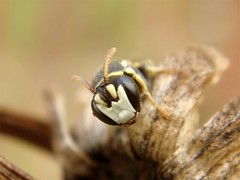
Bee stings are almost inevitable. They are a disturbing part of summer fun and sun and have put a damper on many a day-at-the-park picnic. Knowing how to treat the common bee sting will hopefully get your day back in to the swing of things as quickly as possible.
Here are some first aid measures to put into action in a bee sting event:
- For a known allergy to bee stings or even past events of severe reactions to a bee sting, call 911 immediately. As well, any bee stings above the neck should be considered an emergency due to the potential of difficulty in breathing.
Otherwise:
- Look for the stinger. It looks like a little black dot. If you are able to, remove it using a pair of tweezers or the edge of a credit card. The bee venom sack will still remain in the skin, unfortunately, but if you act fast enough in removing the stinger it will not be as severe, as it takes a few minutes for the venom to fully release.
- Cleanse the area thoroughly with soap and water. Apply either a meat tenderizer and water paste, a baking soda and water paste, or hydrocortisone cream to the area.
- Apply cold compresses to reduce inflammation.
- Give your child diphenhydramine as directed by his or her doctor. For pain and/or discomfort give acetaminophen or ibuprofen as directed by your child’s doctor.

 About Angel Lynn Diamond


Recent Comments